Cruise Passenger Taxes in Europe: Barcelona Plans €30 a Head, Santorini Charges €20, Lisbon €2
Cruising has never been bigger. The industry body CLIA counted a record 37.2 million ocean cruise passengers in 2025, up from 34.6 million the year before, and an earlier CLIA outlook put 2026 at around 39.6 million. Most of those ships stop in the same handful of European ports, for a day, and the ports have started sending the bill.
The logic is simple. A hotel guest pays a tourist tax. A cruise passenger walks the same streets for six hours, sleeps on the ship, and until recently paid nothing to the city. That gap is closing fast.
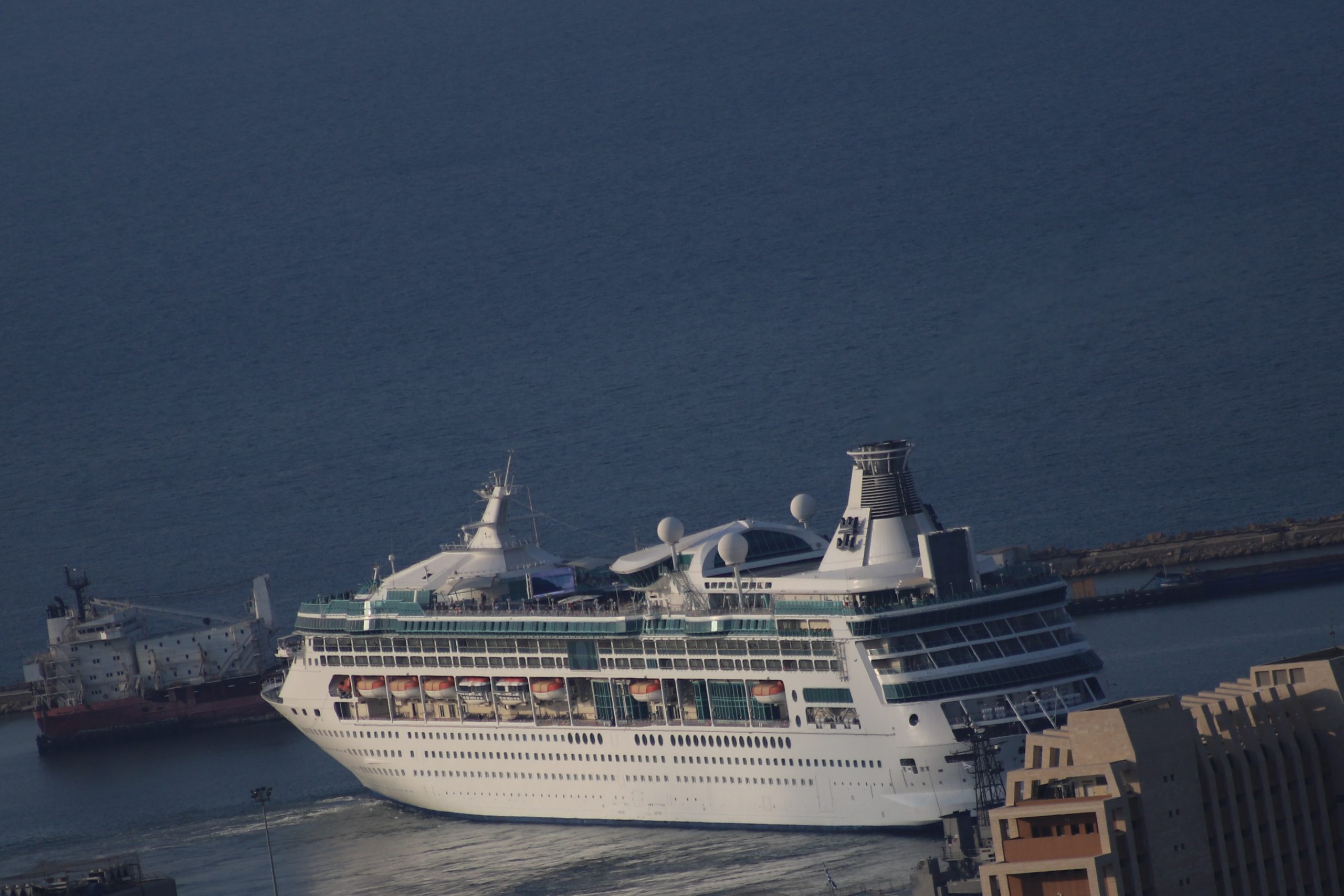
Rhapsody of the Seas on a Mediterranean itinerary, sliding past the breakwater. A ship like this carries more than two thousand passengers. Multiply any per-head fee by that and you see why port cities are interested.
Where the fees stand
Barcelona is going furthest. On July 15 2026 a city commission approved raising the municipal fee for cruise passengers from €4 to €24, the legal maximum. With Catalonia's €6 regional tax on top, a passenger would pay €30 for a port call. It applies to stops under 12 hours. Passengers who start or end their cruise in Barcelona are exempt, which protects the turnaround business the city wants. It still has to be formally enacted, expected with the year-end tax ordinances.
Greece brought in its fee in July 2025. Santorini and Mykonos charge €20 per passenger from June to September, €12 in April, May and October, and €4 from November to March. Other Greek ports charge €5, €3 or €1 by season.
Lisbon charges €2 per passenger over 13 who disembarks, since 2024. Small next to Barcelona, but it adds up across a busy season.
The other tool: keep the ships out
Fees aren't the only approach. Venice has kept ships over 25,000 tonnes out of the San Marco basin and the Giudecca canal since August 2021, sending them to the industrial port at Marghera. Amsterdam voted in 2024 to cut cruise calls from 190 a year to 100 by 2026 and move the terminal away from the city centre by 2035. The move was costed at €85 million, and in January 2026 the council paused the decision and began studying an end to sea cruises in the city by 2035.
What it means for a passenger
Most lines pass the fees straight through as port charges, so they show up in the booking total. The bigger effect may be on itineraries. Lines can shift calls to cheaper ports nearby, or make a city like Barcelona the start of the trip instead of a stop. If a specific port matters to you, check that it's still on the route when you book.