EU Air Passenger Rights Reform: Two Free Items, the Same 3-Hour Delay Rule, and No Guaranteed 7kg Trolley
After about ten years of talks, the EU has a deal on updating its air passenger rules, the regulation everyone calls EU261. Parliament and the member states reached a provisional agreement on June 15 2026, and the European Parliament approved it in plenary on July 7 with 646 votes in favour. The new rules apply from 2027.
The bag rule changed less than the headlines suggested. The delay rule didn't change at all.
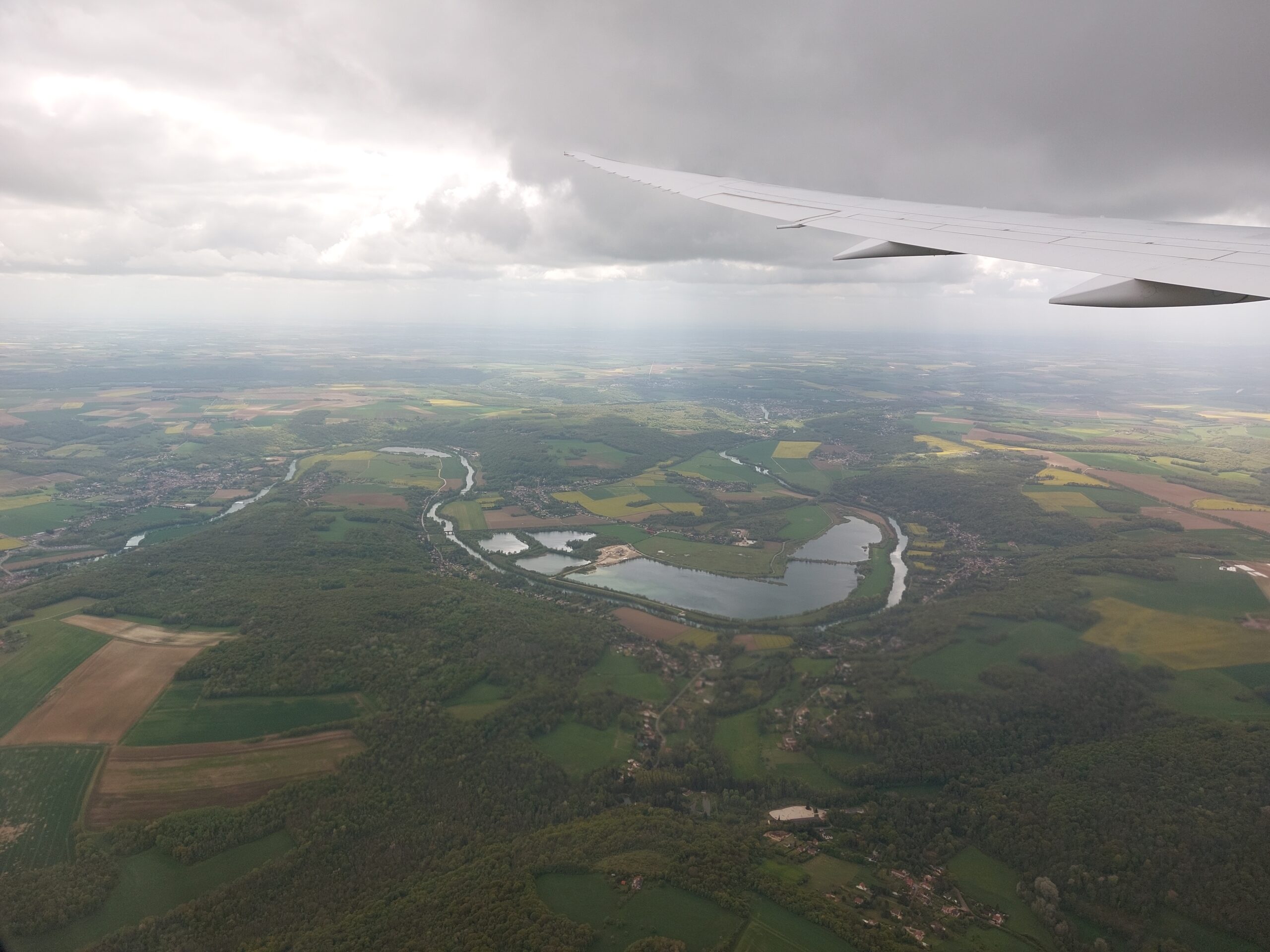
A window seat on a budget flight. If you booked the cheapest fare, the bag under the seat in front of you was the only luggage you didn't pay for, and its size depended on which airline sold you the ticket.
Bags: better, but not what was promised
In June 2025 the Parliament's transport committee backed a free personal item up to 40 x 30 x 15 cm plus a free cabin bag of up to 7 kg. That second part was the one that made the news. It didn't survive. The final text says the base fare must include two items, a personal item and a second bag, but the airline sets the size and weight of the second bag. A full-size wheeled trolley can still be charged.
In practice, budget airlines had already started moving. Ryanair's free under-seat bag grew from 40 x 20 x 25 cm to 40 x 30 x 20 cm across its network by September 2025, about 20% more space. Wizz Air allows 40 x 30 x 20 cm and 10 kg. easyJet allows 45 x 36 x 20 cm and 15 kg. Measure your bag at home. Gate staff do.
Delays: the threshold stayed
Airlines lobbied hard to raise the delay that triggers compensation from three hours to four or even six. They lost. Compensation still starts at three hours late on arrival. The amounts are €250 for flights up to 1,500 km, €400 for 1,500 to 3,500 km, and €600 for longer. On some long-haul cases, such as when the airline offers rerouting, it can pay half.
Getting into Europe
There's a second paperwork change that matters more for non-EU visitors. The EU's Entry/Exit System began on October 12 2025 and had to be running at every border by April 10 2026. It records fingerprints and a face photo at the first crossing and replaces passport stamps. It's free.
ETIAS, the €20 online travel authorisation for visa-exempt visitors, has slipped again. In August 2026 the EU postponed its launch with no new date. Ignore any website that asks you to pay for it now.