Bulgaria on the Euro: What Changed for Visitors in Sofia After the Lev
Bulgaria became the 21st country to use the euro on January 1 2026. The lev, pegged for years, was converted at a fixed 1.95583 to the euro. For a traveller it's simple. No more exchange booths at Sofia airport, no more mental division by two, and the same card works in Bulgaria and Greece without a currency fee.
The switch ran in stages. Shops had to show prices in both leva and euros from August 8 2025 to August 8 2026, so you'll have seen both on menus well into this summer. Both currencies circulated together until January 31 2026. From February 1 the euro was the only legal tender, and by then three-quarters of the lev cash had been pulled out of circulation.
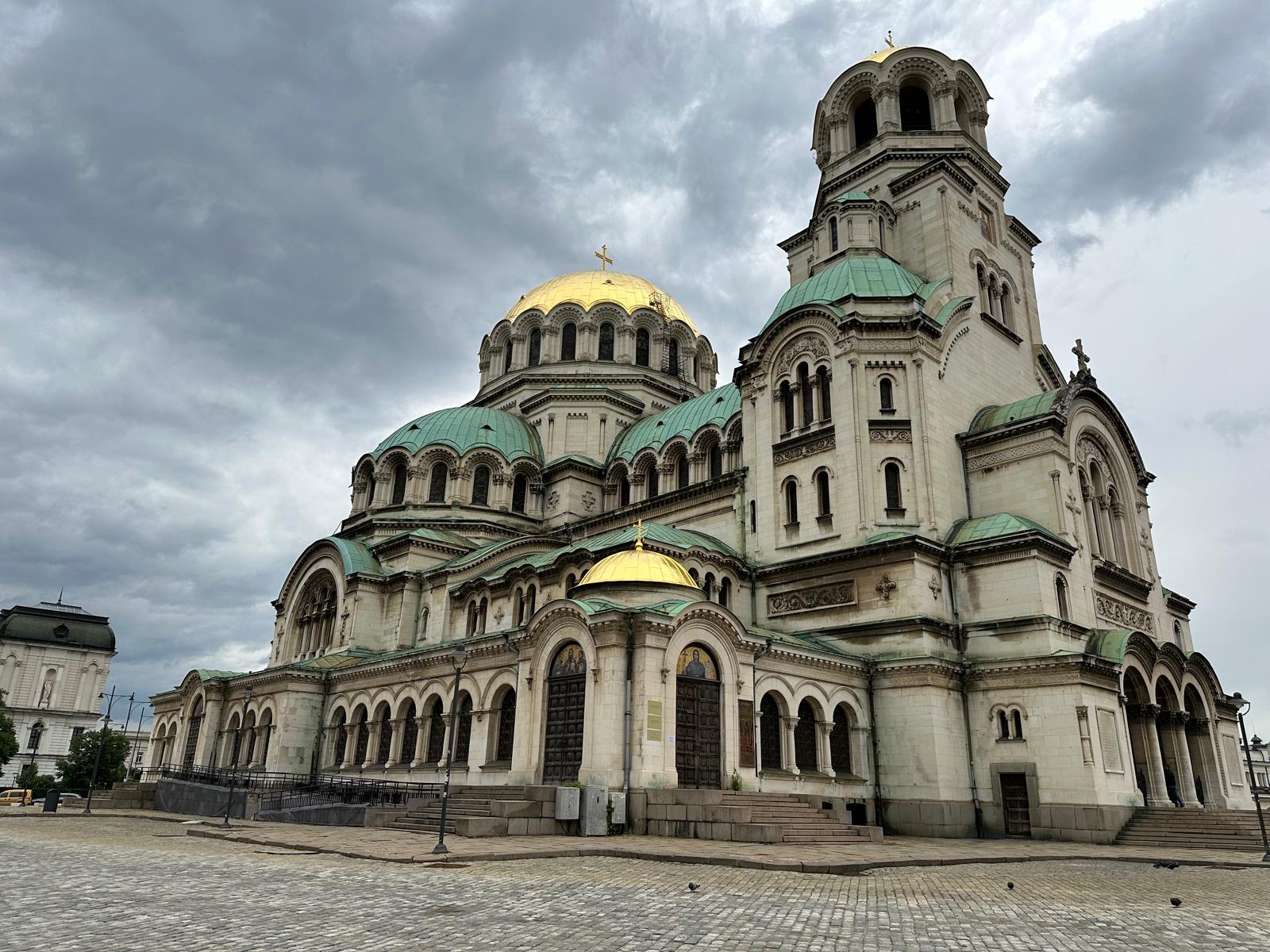
Alexander Nevsky Cathedral is the picture on every Sofia postcard. Work started in 1882 and finished in 1912, to a design by Alexander Pomerantsev. The main dome rises 45 metres and the bell tower 53. In the crypt, the National Gallery runs a museum of Orthodox icons, with tickets at €10, €4 reduced and €2 on Thursdays.
Did prices jump?
That was the fear. Croatia saw complaints about rounding up when it switched in 2023, and Bulgarians watched closely. The European Central Bank estimates the changeover added 0.3 to 0.4 percentage points to Bulgarian inflation in January 2026. Headline inflation actually fell, from 3.5% in December to 2.3% in January and 2.1% in February. But restaurant and hotel prices kept rising faster than the rest. The national statistics office has them up 9.3% on the year.
Part of that isn't the euro at all. Restaurant VAT went back to 20% in January 2025, and tourism prices rose sharply over the two years since.
Still cheap?
By EU standards, yes. Eurostat puts Bulgarian hotel and restaurant prices at about 53% of the EU average. A simple meal in Sofia runs around €15, sometimes less away from Vitosha Boulevard. Public transport, museum tickets and taxis are cheap next to any western capital.
The bigger change is psychological. Prices in euros make Bulgaria easy to compare with Greece, Croatia or Portugal, and it comes out well. For a city break, Sofia now sits in the same booking search as Lisbon and Porto, at a lower price.